The Problem Every Growing Company Faces
In the early days, managing employees is simple. Everyone sits near each other (physically or virtually), the founder knows every name, and problems get solved in a five-minute conversation. But as headcount grows — from 10 to 30, then 30 to 100 — that informal approach starts to crack. Communication gets lost, roles blur, and what used to feel like a tight-knit team starts to feel disorganized.
Managing employees in a growing company isn't about doing more of what worked before. It's about deliberately building structure before you need it, so growth doesn't outpace your ability to manage it.
1. Define Roles Before You Think You Need To
In small teams, people naturally wear multiple hats. That flexibility is a strength early on, but it becomes a liability as the team grows — overlapping responsibilities lead to confusion about who owns what, and gaps appear where everyone assumed someone else was handling it.
As you scale:
Document clear role descriptions, even for existing employees whose jobs have evolved organically.
Identify ownership for key functions (who owns hiring, who owns customer escalations, who owns product decisions).
Revisit role definitions every 6–12 months, since responsibilities shift quickly during growth phases.
Clarity here prevents the classic growing-company symptom of "I thought someone else was doing that."
2. Build a Management Layer — Intentionally
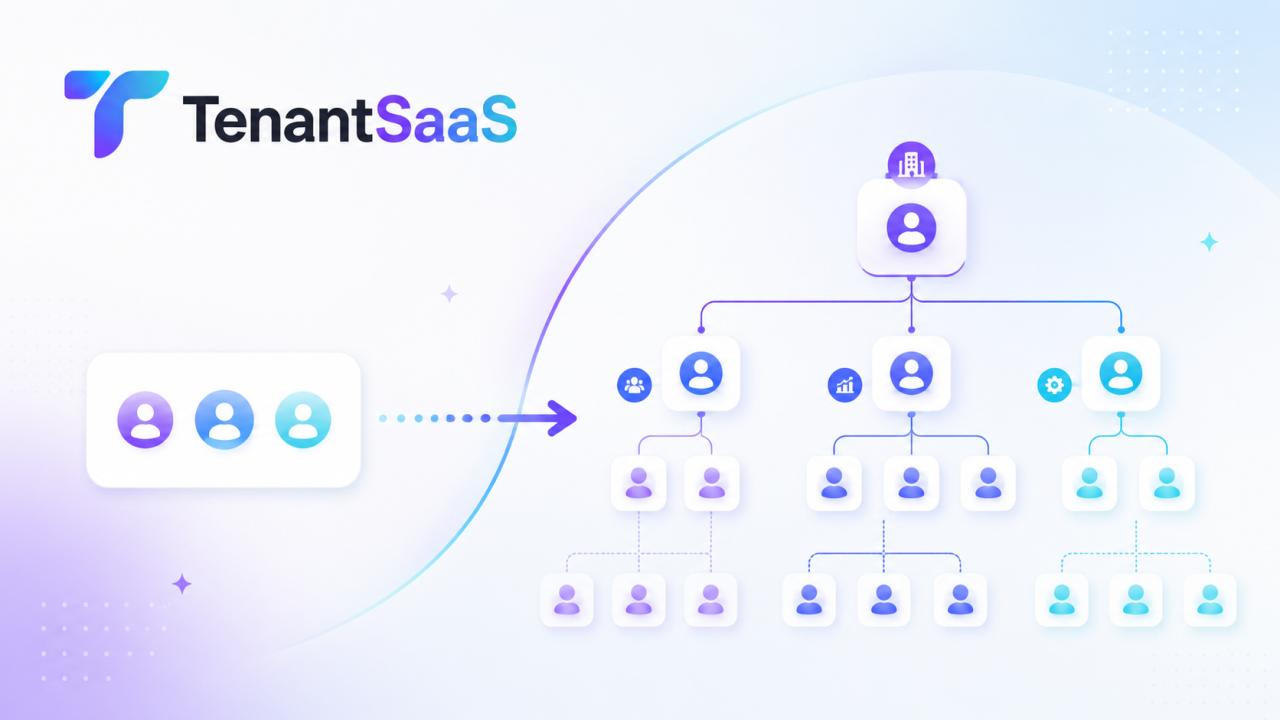
At a certain size, one person can no longer directly manage everyone. This is often the hardest transition for founders and early leaders, because it means giving up direct oversight of work they used to control personally.
To do this well:
Promote or hire managers based on leadership ability, not just tenure or individual performance.
Give new managers real training — managing people is a distinct skill from doing the job itself.
Keep manager spans of control reasonable; 5–8 direct reports is a common sweet spot for meaningful one-on-one time.
Skipping this step is one of the most common reasons growing companies stall — leadership becomes a bottleneck instead of an enabler.
3. Standardize Onboarding
When you hire one person every few months, informal onboarding works fine. When you're hiring five people a month, inconsistent onboarding creates uneven expectations, slower ramp-up time, and early attrition.
A scalable onboarding process should include:
A consistent first-week schedule covering tools, culture, and expectations
Clear 30/60/90-day goals so new hires know what success looks like
An assigned buddy or mentor outside their direct manager
Good onboarding pays for itself quickly — employees who ramp up faster contribute sooner and are more likely to stay.
4. Create Feedback Systems That Scale
In a small team, feedback happens naturally and often. In a larger one, it has to be built into the system, or it stops happening altogether.
Practical ways to formalize this:
Regular one-on-ones between managers and direct reports (weekly or biweekly)
Structured performance reviews on a predictable cadence (quarterly or biannual)
Anonymous engagement surveys to surface issues before they become resignations
The goal isn't bureaucracy — it's making sure feedback keeps flowing even as direct, informal contact with leadership becomes rare.
5. Protect Culture on Purpose
Culture in a small company is often carried implicitly, through daily interactions with the founders. As the company grows, that implicit transmission breaks down — new hires never worked closely with the people who set the tone.
To keep culture intact:
Write down your values, not as a poster, but as decision-making principles ("we default to transparency," "we ship before we polish")
Reinforce culture in hiring, performance reviews, and recognition — not just in an onboarding deck
Watch for culture dilution in fast-hiring periods, and slow down hiring if quality or fit starts slipping
Culture doesn't scale on its own. It scales when leaders keep actively investing in it.
6. Invest in the Right Systems and Tools
Spreadsheets and Slack threads work for tracking employee information at a small scale, but they break down fast. Growing companies typically need to invest in:
An HR information system (HRIS) for centralized employee records
A performance management tool to track goals and reviews
Clear internal documentation (a wiki or knowledge base) so institutional knowledge doesn't live only in people's heads
The right tooling reduces the administrative burden on managers so they can spend more time actually managing people, not chasing paperwork.
7. Communicate More Than Feels Necessary
As teams grow, information naturally becomes harder to spread evenly. What feels like over-communicating to leadership often barely reaches the edges of a growing organization.
Effective habits include:
Regular all-hands meetings with time for open Q&A
Written updates (not just verbal) so information isn't lost to whoever happened to attend a meeting
Multiple channels for feedback to flow upward, not just downward
If employees regularly say they "didn't know" about a decision, it's usually a communication systems problem, not an individual failure.
Final Thoughts
Managing employees in a growing company means trading informal, high-touch management for intentional systems — without losing the personal connection that made your early culture work. The companies that scale well aren't the ones that avoid structure; they're the ones that build it early enough to stay ahead of their own growth.
Start with one area from this list where cracks are already showing, and build the system before the next round of hiring makes it harder to fix.